Helpful AI tools used to just answer questions
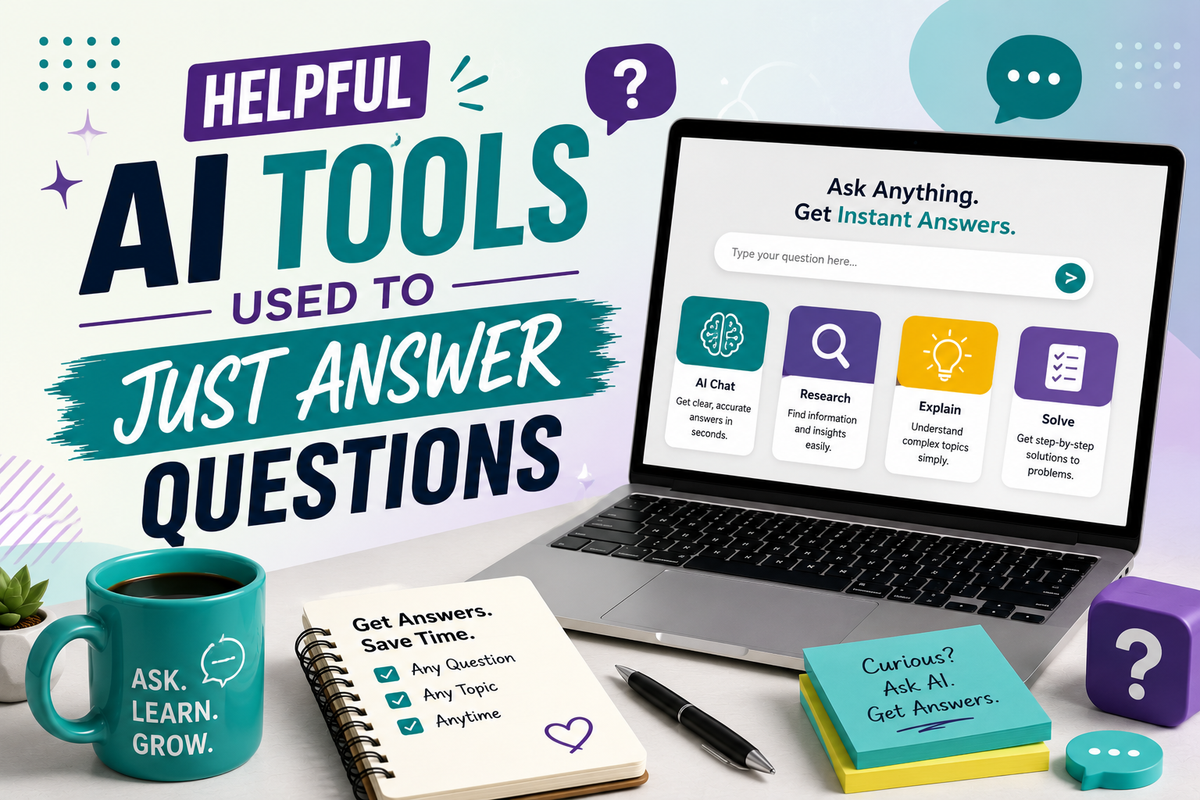
You ask, it responds. That was the whole relationship.
Something has changed.
A newer category — called agents — actually does multi-step tasks on its own, without being prompted for each step.
The difference matters.
A regular tool tells you how to organize your inbox. An agent goes in, sorts it, drafts the replies, flags what needs your attention, and reports back when it's done. It doesn't just suggest. It acts.

The watch-out: these tools act on conclusions. A regular tool that gives you a wrong answer is easy to catch. An agent that acts on a wrong conclusion can send an email, move data, categorize records — before you see the mistake.
The safeguard is simple. Run it in "draft mode" for the first week. Let it show you what it would do, then approve or reject. Only after seeing its judgment on twenty or thirty real cases should you let it act without a check.
Stay curious about what's new. Stay patient about what's actually ready.
The two are rarely the same thing.
Treat it like a capable new hire in their first two weeks.
You check in. You review before it goes out. You trust incrementally, based on what you actually observe.
That habit will protect most people from the one bad experience that makes them give up on automation entirely.
╰┈➤ If you want to see where this is being used responsibly — and what the right starting point looks like — this is worth checking out!
Stay curious about what's new. Stay patient about what's actually ready. The two are rarely the same thing.
— AI Business Builder