Spend Less Time Searching and More Time Understanding: An Easy Guide
Research used to mean an afternoon of tab-hopping.
Open ten links. Read three fully. Skim the rest. Take scattered notes. Try to remember where you read the thing you needed twenty minutes ago.
That's still how most people do it.
The alternative is faster and produces cleaner output.
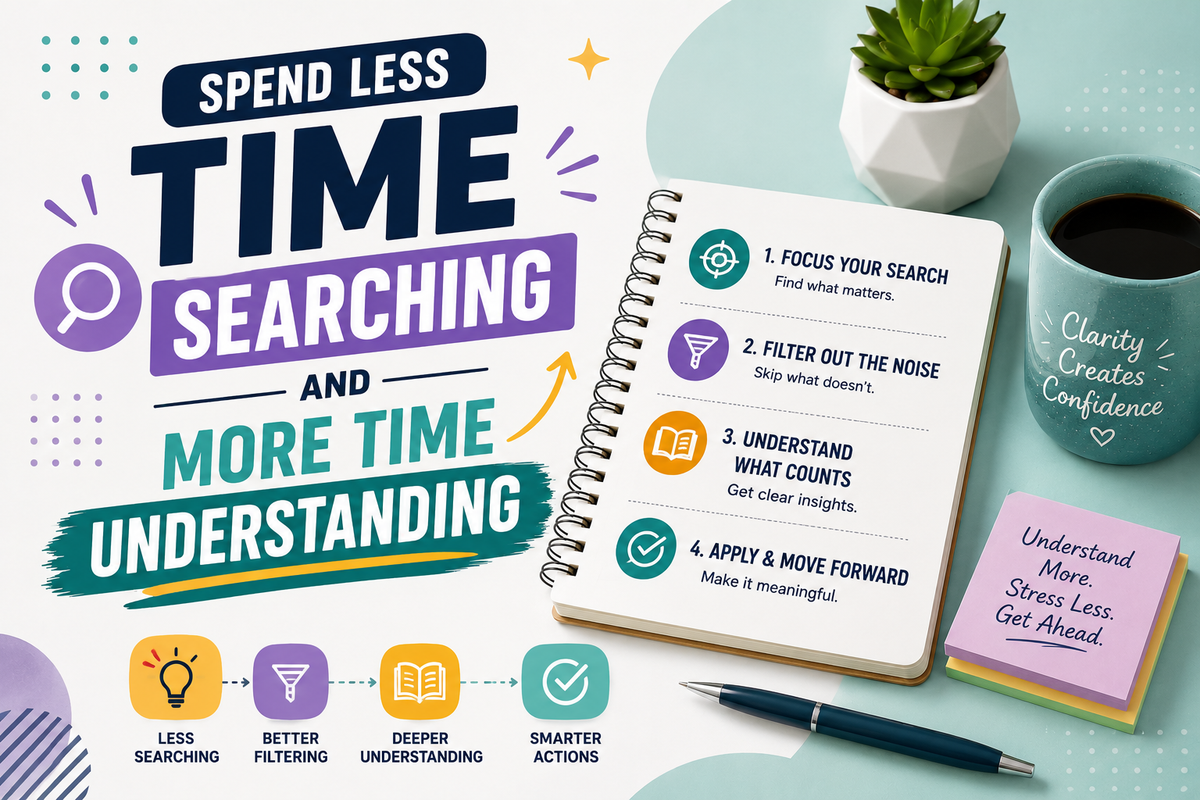
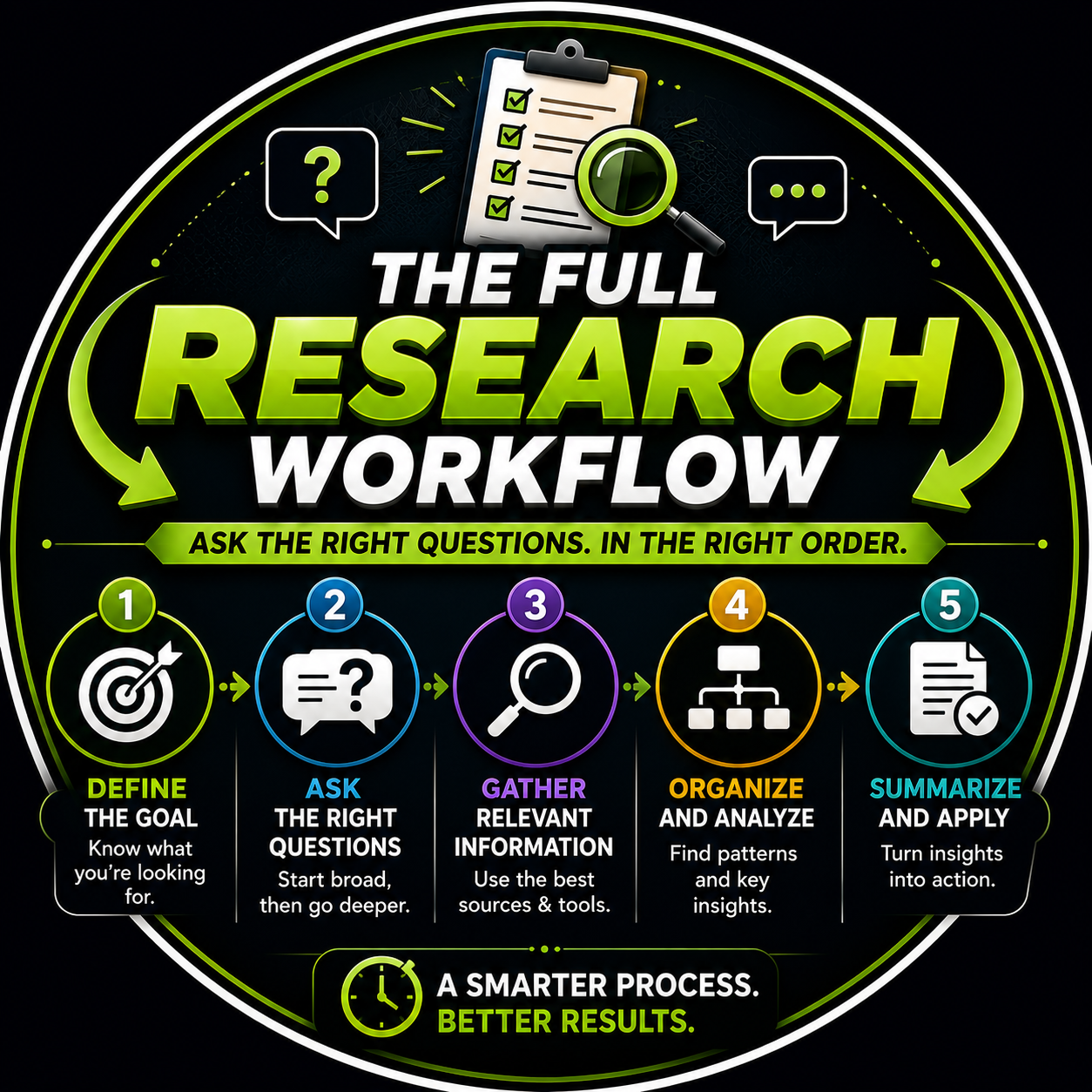
Ask for a plain-English summary of the current landscape on your topic — not a Wikipedia overview, but what's actually happening right now and why it matters.
Ask for the three to five examples or sources worth looking into further.
Then ask follow-up questions the way you would with a knowledgeable colleague: "What's the most common mistake people make here?" "What's the argument against the popular take?"
An afternoon of research, done before lunch.
One distinction worth knowing: these tools are very good at summarizing what's already well-documented and giving you a fast orientation from zero.
They're unreliable for recent events, specific statistics, and niche or technical topics where the underlying data is thin.
The practical rule: use them to get oriented, then verify anything specific before you act on it.
Trust the summary. Confirm the specifics. That combination beats either approach alone — and it's still faster than two hours of tab-hopping with no structure.
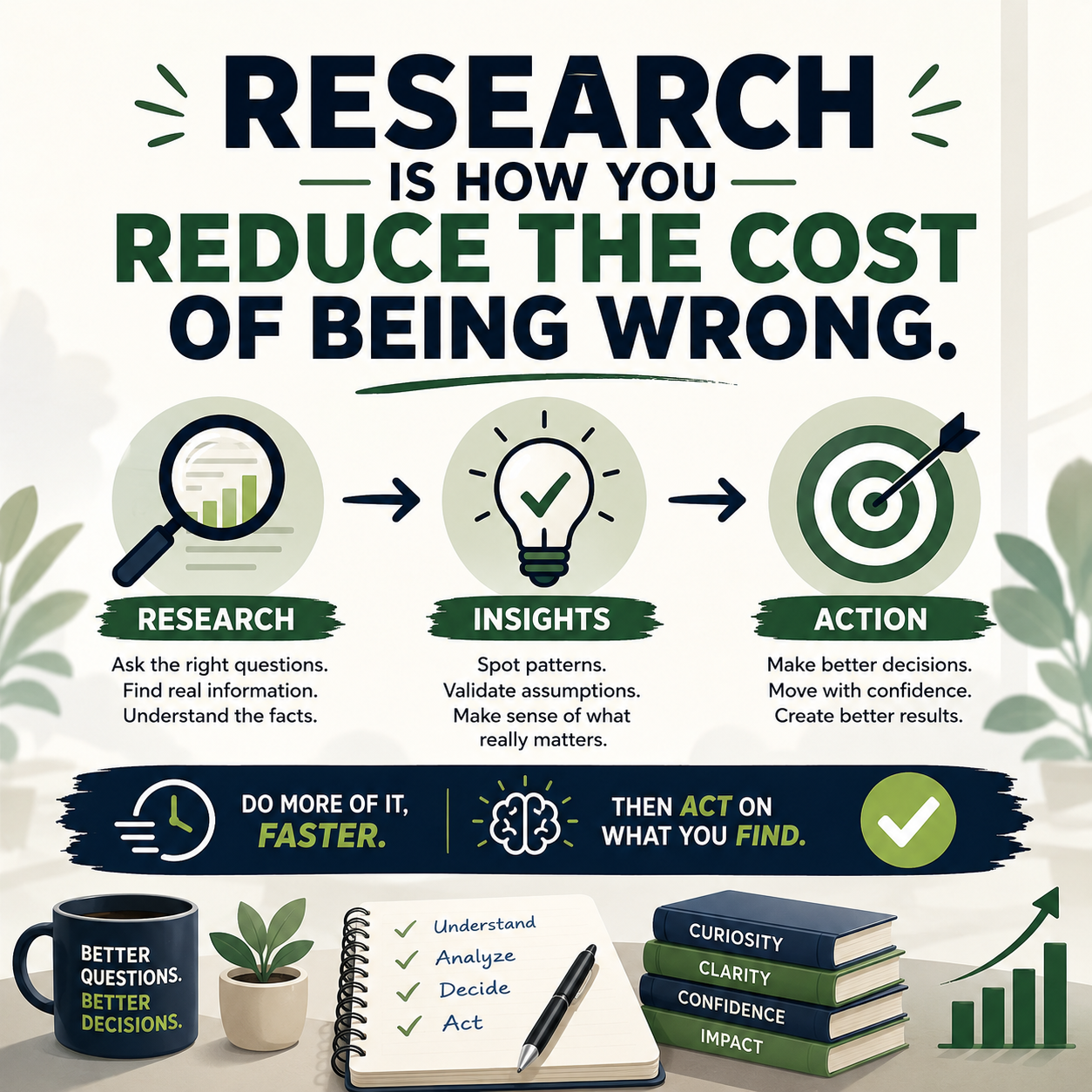
Research is how you reduce the cost of being wrong.
Do more of it, faster. Then act on what you find.
⬩➤ If you want to understand how business owners are making faster decisions without spending hours on background research — this is worth checking out:
Research is how you reduce the cost of being wrong. Do more of it, faster. Then act on what you find.
— AI Business Builder